
Connected Operations across Trade and Logistics
Brixhaul helps logistics and transportation organisations connect systems, manage document-heavy processes and improve visibility across day-to-day operations.
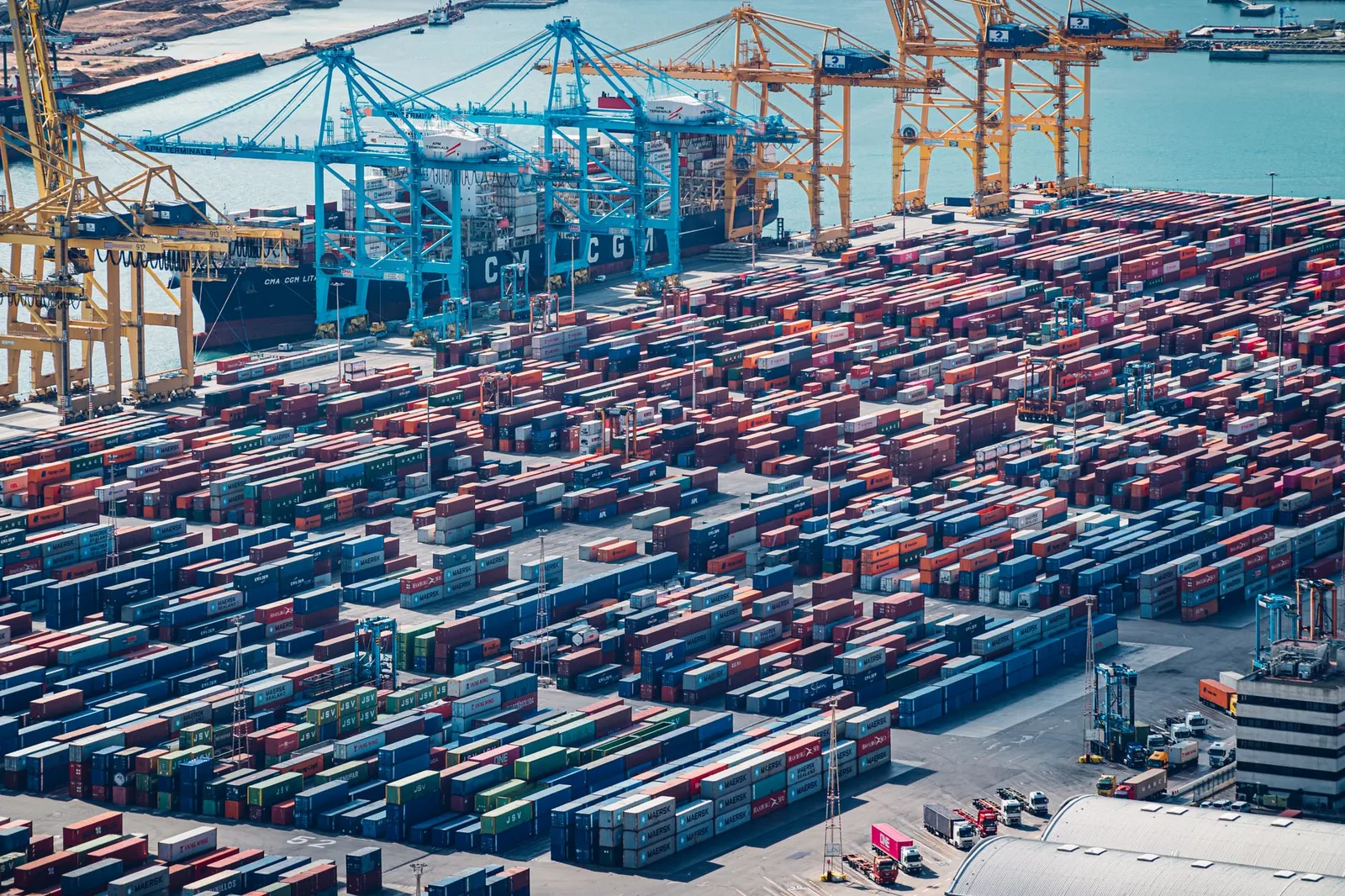
The UAE sits on one of the busiest trade corridors in the world, and the operational reality of that is a great deal of paper, or more precisely, a great deal of data trapped in documents. Bills of lading, customs declarations, rate sheets, delivery notes and invoices move between parties who each run their own systems and expect their own formats.
Speed and visibility are usually treated as separate problems. In our experience they are the same problem seen from two angles: you cannot make an operation faster in any durable way until you can see where it is actually slow, and most operators cannot, because the evidence is spread across systems that do not reconcile.
Our work here concentrates on connecting those systems, taking the document handling off people who should be doing something more valuable, and putting reporting in place that reflects what is genuinely happening rather than what was planned.
Current Priorities
System Integration and E-invoicing
Connect operational, financial and partner systems while preparing data and workflows for compliance requirements.
Customs and Shipping Documentation
Support structured document processing, validation, billing, rating and customs workflows.
Operational Visibility
Use reporting, dashboards and analytics to improve understanding of volume, status, exceptions and performance.
Managed Back-office Operations
Provide scalable support for orders, tracking, billing, documentation and customer operations.
Cloud and Cyber Resilience
Modernise technology environments while improving security and continuity.
What We Usually Find
Patterns that come up often enough in this sector to be worth saying out loud before a project starts.
- Exceptions are the real workload
- The happy path is usually automated already. What consumes the team is the ten per cent that does not fit: the mismatched declaration, the missing reference, the rate that needs a manual override. That is where automation earns its keep, and it is also the hardest part to specify.
- Partner integrations age badly
- Connections built for one customer, years ago, by someone who has since left, tend to be the ones holding up the whole chain. Modernising these is unglamorous and consistently high-value.
- Track-and-trace data often exists but is not usable
- Status is captured in several places, in different formats, with different definitions of what “delivered” means. Agreeing the definitions is frequently more valuable than buying another dashboard.
- Compliance changes arrive with short notice
- E-invoicing and customs requirements shift, and systems that were built rigidly are expensive to adjust. We build the integration layer with the expectation that the rules will change again.
Relevant Capabilities
- Enterprise Integration and APIs
- Compliance and E-invoicing Integration
- Data, AI and Automation
- Logistics and Supply-chain Operations
- Cloud and Digital Infrastructure
- Cyber Resilience
Case studies for this sector will be published once client approval and delivery details are confirmed.
Improve Visibility and Control across Logistics Operations
Talk to our team about trade, logistics and transportation priorities.